

Moving rarely happens in one clean step. You may need to pack before a closing date is confirmed, leave one home before the next is ready, stage a property for sale, or unpack around work and family responsibilities. Knowing how to use self storage for easy relocation can give you more control over that in-between period without forcing every box into your new home at once.
A storage unit will not remove every challenge from moving, but it can create a practical buffer between packing, transportation, and unpacking. The key is to use it with a plan. Sort before you pack, keep essential items with you, label everything clearly, and decide when stored belongings will move into the new space.
Why Self Storage for Easy Relocation Can Simplify a Move
Self storage for easy relocation can be useful when your moving dates do not line up perfectly or when you need to complete the move in stages. It may give you a place for nonessential furniture, seasonal belongings, packed boxes, or household items that are not needed right away.
Temporary storage during a move may help when you are:
Waiting for a new home to become available
Moving out before a sale or lease begins
Completing repairs, painting, or renovations
Staging a home and reducing visible clutter
Downsizing into a smaller space
Combining two households
Moving room by room instead of all at once
Before renting, review the facility rules, access information, rental terms, and available unit options. Then build your moving plan around what you actually need to store and how often you expect to retrieve it.
1. Declutter Before Packing
Decluttering before moving reduces the number of boxes you need to pack, transport, store, and unpack. It also prevents unwanted items from following you into a new home simply because there was no time to make a decision.
Work through one room or category at a time. Create groups for:
Move now: Items that have a clear place in the new home
Store temporarily: Belongings you want to keep but do not need immediately
Donate or sell: Usable items that no longer fit your needs
Recycle or discard: Broken, expired, or unusable items
Decide later: A limited group of sentimental or uncertain belongings
Keep the “decide later” category small. Give it a specific container limit and set a date to review it after the move. Otherwise, temporary storage can become a long-term holding area for decisions you continue to postpone.
Decluttering before moving is especially helpful when the new home has less closet space, a different layout, or limited room for furniture. Measure larger pieces before deciding they should make the trip.
2. Decide What Needs Immediate Access
Not every packed item should go into storage. Separate belongings according to when you will need them.
Keep With You
Keep identification, medication, important documents, keys, chargers, basic clothing, pet supplies, and other immediate necessities with you. Do not place anything essential for travel, work, school, or the first night in an off-site unit.
Move Directly Into the New Home
Send daily-use furniture, kitchen basics, bedding, bathroom supplies, and frequently used household items directly to the new residence.
Store Temporarily
Store seasonal decorations, extra furniture, archived household items, hobby equipment, books, décor, and boxes that can wait until the main rooms are functional.
Create a short list for each category before moving day. This prevents essential boxes from being loaded behind items you will not need for several weeks.
3. Choose a Unit Based on Your Actual Needs
When using self storage for easy relocation, choose a unit based on the volume of your belongings, the length of the transition, and the number of times you expect to visit. Moving storage solutions should fit those practical needs.
A unit that is too small may lead to unstable stacking, while one that is much larger than needed may add unnecessary expense.
Before selecting a unit:
List the furniture and number of boxes you plan to store.
Measure large items that cannot be disassembled.
Decide whether you need a walkway through the unit.
Consider how frequently you will retrieve belongings.
Review facility rules and prohibited items.
Confirm the rental terms and access information.
Ask what lock or insurance requirements apply.
Do not assume every location offers the same unit types, rental terms, or property features. Compare the options available at the specific facility you are considering.
If you expect to remove belongings gradually, plan for access rather than maximum packing density. A tightly packed unit may hold more, but it can make one box difficult to reach without unloading everything in front of it.
4. Pack and Label for Easy Retrieval

Good packing protects the organization of your move. Use sturdy boxes in manageable sizes, reinforce the bottoms when needed, and avoid making containers too heavy to lift comfortably.
These moving and storage tips can make retrieval easier:
Label at least two sides of every box.
Include the room, general contents, and priority level.
Use labels such as “Open First,” “Store Temporarily,” or “Fragile.”
Keep hardware in labeled bags attached to the matching furniture.
Photograph electronic connections before disconnecting them.
Keep an inventory on your phone or in a spreadsheet.
Number boxes when you have several with similar contents.
Avoid using vague labels such as “miscellaneous.”
Pack heavier items at the bottom and lighter items above them. Wrap fragile pieces individually and fill empty space so contents do not shift excessively.
One of the most useful moving and storage tips is to create a small “first week” group. Include bedding, basic cookware, towels, work supplies, and other items you will need before the rest of the home is unpacked.
5. Organize a Storage Unit for Easy Access
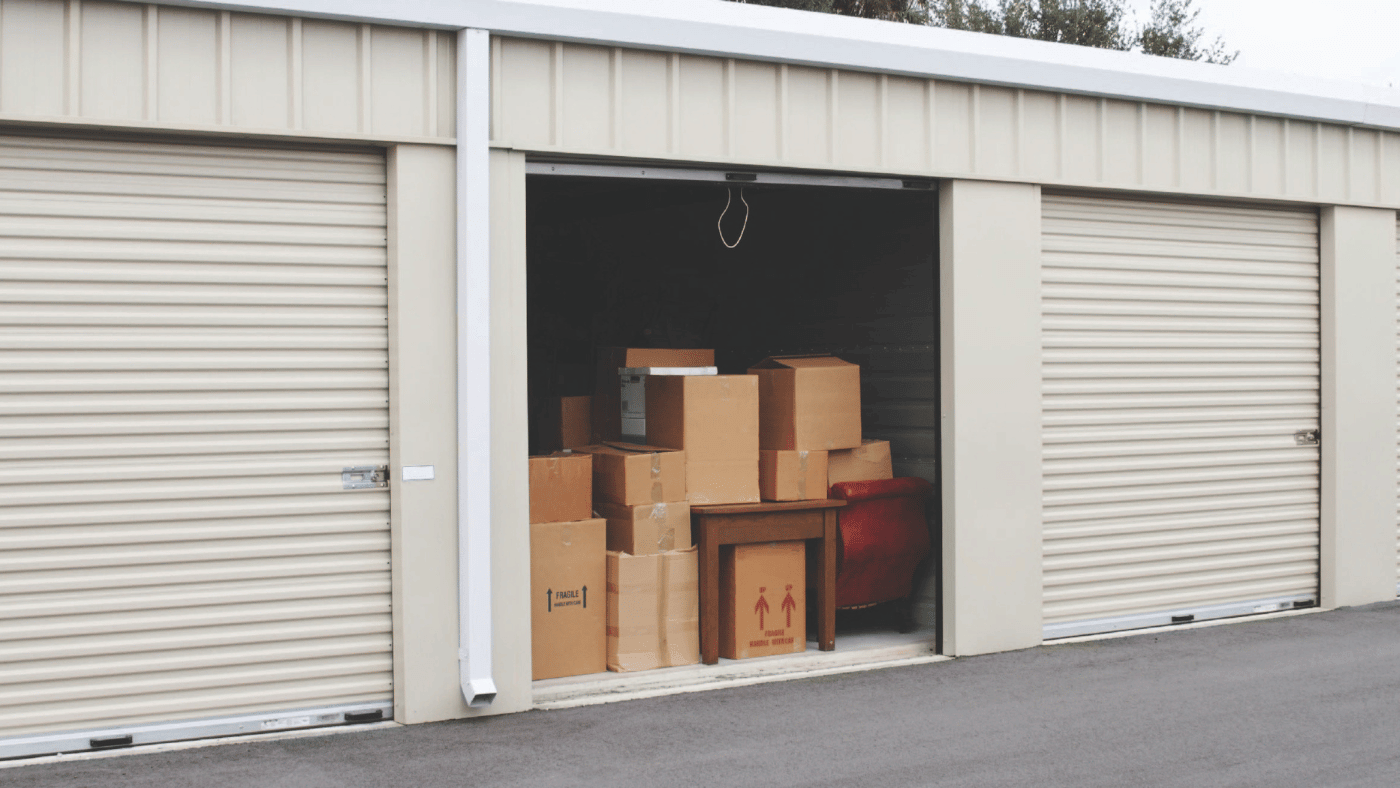
A practical layout is an important part of using self storage for easy relocation. Take a few minutes to organize a storage unit before filling every available space.
Create zones for:
Furniture
Kitchen and dining boxes
Bedrooms
Seasonal belongings
Hobby equipment
Archived paperwork
Items needed during the first month
Place heavy and sturdy items low. Keep lighter or fragile boxes above them. When using shelving, follow weight limits and place the heaviest containers on lower shelves.
Leave a center or side walkway when space allows. Keep frequently needed boxes near the entrance and long-term items toward the back. Make labels face the aisle instead of the wall.
To organize a storage unit effectively, load it in the reverse order of need. Items you expect to retrieve last should go in first. Items you expect to retrieve soon should go in last.
6. Use Storage to Manage Timing Gaps

Temporary storage during a move can be especially helpful when dates change unexpectedly. A delayed closing, unfinished renovation, short-term rental, or work relocation may create a gap between leaving one home and settling into another.
Plan for that possibility before moving day. Identify which belongings could remain stored for several weeks without disrupting your daily routine. Keep essential documents and supplies with you, and make sure you understand how access works during the rental period.
Self storage for easy relocation can also support a phased move. You might move large furniture first, then retrieve décor, books, and seasonal items after the main rooms are arranged. This can reduce the number of boxes competing for space while you assemble furniture and establish basic routines.
Storage should support the timeline, not complicate it. Keep an updated inventory and record what has already moved into the new home.
7. Move Into the New Home in Phases
Unpacking everything at once can make a new home feel just as crowded as the old one. A phased approach lets you establish the most important rooms before adding occasional-use belongings.
Start with:
Beds and bedding
Bathroom essentials
Daily kitchen supplies
Work or school necessities
Clothing needed for the current season
Pet or child-related supplies
Next, set up storage areas such as closets, cabinets, and shelving. Once those areas are functional, begin retrieving stored boxes by room.
Avoid bringing back several categories simply because there is an empty vehicle. Retrieve what you have time and space to unpack. This keeps boxes from becoming permanent fixtures in hallways, garages, or spare rooms.
Moving storage solutions are most helpful when they give you time to make thoughtful decisions about where belongings belong in the new home.
8. Review Stored Items After Settling In
Set a review date before the move is complete. Thirty to sixty days after settling in, look at what remains in storage and decide what should come home, stay stored for a defined reason, or leave your household.
Ask:
Does this item fit the new home?
Have I needed it since the move?
Do I have a clear place for it?
Is it worth the ongoing space it requires?
Would donating or selling it be more practical?
Is it being stored for a specific season or event?
A review date prevents the storage unit from fading into the background. It also gives you time to make calmer decisions after the pressure of moving day has passed.
9. Keep Documents and Essentials With You
Some belongings should remain under your direct control throughout the move. Keep identification, financial records, medication, irreplaceable documents, small valuables, chargers, keys, and emergency supplies with you.
Prepare an essentials bag or clearly marked container for each household member. Include clothing, toiletries, bedding, medications, and anything needed for work, school, pets, or children during the first few days.
Do not load these essentials into the moving truck or place them in storage. Delays can happen, and immediate access matters more than saving a little room in the car.
Common Moving and Storage Mistakes
Avoid these common mistakes when using storage during a relocation:
Packing items before they are clean and dry
Storing documents or medication needed immediately
Renting before estimating the amount of space required
Filling boxes until they are too heavy to lift safely
Labeling only the top of a box
Placing frequently needed items at the back
Creating unstable stacks
Forgetting to keep an inventory
Moving unwanted items into storage without a review date
Assuming every facility offers the same access, features, or rental terms
A clear plan matters more than a perfect set of matching boxes. The best system is one that household members and movers can understand quickly.
FAQs
Make the Move Easier with a Clear Storage Plan
Learning how to use self storage for easy relocation comes down to planning what goes where and when you will need it again. Declutter before packing, separate essential belongings, label every box, and arrange stored items based on retrieval order.
Self storage for easy relocation can provide useful flexibility when moving dates, home layouts, or unpacking schedules do not line up perfectly. Use the space intentionally, keep an inventory, and review what remains after you settle in.
Ready to make your transition more manageable? Explore available storage options and choose a solution that fits your moving timeline and household needs.


